What is the vibration level of a Boiler Soot Blower during operation?
As a supplier of Boiler Soot Blowers, I'm often asked about the vibration levels of these important industrial components during operation. Understanding the vibration characteristics of a boiler soot blower is crucial for ensuring its efficient and safe performance. In this blog, I'll delve into the details of boiler soot blower vibration, including what causes it, how to measure it, and what acceptable levels are.
What is a Boiler Soot Blower?
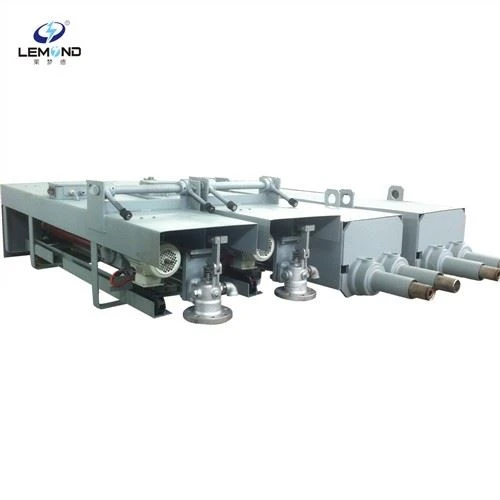
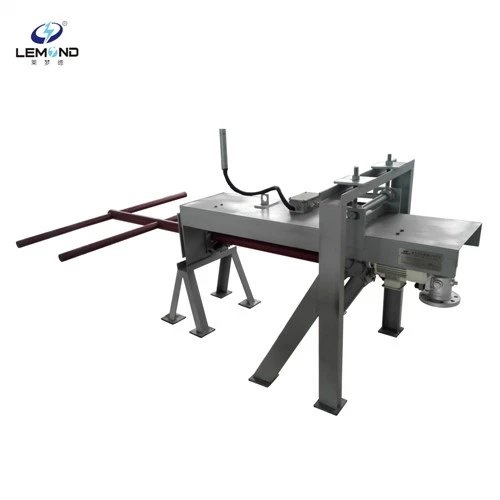
Before we discuss vibration levels, let's briefly review what a boiler soot blower is. A Boiler Soot Blower is a device used in boilers to remove soot and other deposits from the heat transfer surfaces. These deposits can reduce the efficiency of the boiler, increase fuel consumption, and even cause damage to the equipment if not properly removed. There are several types of soot blowers, including long - retractable soot blowers, wall blowers, and rotary soot blowers, each designed for specific applications within the boiler.
Causes of Vibration in Boiler Soot Blowers
There are several factors that can cause a boiler soot blower to vibrate during operation:
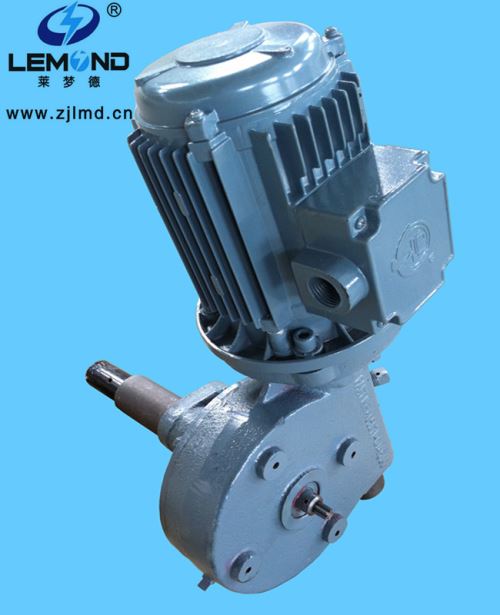
- Mechanical Imbalance: One of the most common causes of vibration is mechanical imbalance. This can occur if the rotating parts of the soot blower, such as the lance or the motor, are not properly balanced. An imbalance can cause uneven forces to act on the shaft, leading to vibrations. For example, if the lance has unevenly distributed weight due to wear or damage, it will cause the soot blower to vibrate as it rotates or extends.
- Loose Components: Loose bolts, nuts, or other fasteners can also lead to vibration. As the soot blower operates, the movement of the components can cause the loose parts to rattle and vibrate. This not only affects the performance of the soot blower but can also lead to further damage over time if left unchecked.
- Fluid - Induced Vibration: When the blowing medium (usually steam or air) is discharged from the soot blower nozzles, it can create fluid - induced vibrations. The high - velocity flow of the medium can cause periodic forces on the lance and other components of the soot blower, resulting in vibration. The design of the nozzle and the flow rate of the blowing medium play important roles in determining the magnitude of this type of vibration.
- Resonance: Resonance occurs when the natural frequency of the soot blower or its components matches the frequency of the excitation force. This can lead to a significant increase in vibration amplitude, which can be extremely damaging to the equipment. For example, if the frequency of the fluid - induced vibration coincides with the natural frequency of the lance, resonance can occur, causing excessive vibration.
Measuring the Vibration Level of a Boiler Soot Blower
To accurately assess the vibration level of a boiler soot blower, specialized vibration measurement equipment is used. The most common method is to use accelerometers, which are sensors that measure the acceleration of the vibrating object. These accelerometers are typically attached to the key components of the soot blower, such as the motor, the lance, or the housing.
The data collected by the accelerometers is then analyzed to determine the vibration characteristics. The analysis usually includes measuring the vibration amplitude, frequency, and phase. The amplitude of the vibration indicates the magnitude of the vibration, while the frequency shows the number of vibrations per unit of time. The phase information can help in understanding the relative position of the vibrations at different points on the soot blower.


There are also portable vibration analyzers available in the market that can quickly and easily measure the vibration levels of the soot blower. These analyzers can display the vibration data in real - time and provide detailed reports for further analysis.
Acceptable Vibration Levels
The acceptable vibration levels for a boiler soot blower depend on several factors, including the type of soot blower, its size, and the application. Generally, the vibration levels should be kept within a certain range to ensure the safe and efficient operation of the soot blower.
For small - to - medium - sized soot blowers, an overall vibration amplitude of less than 1.5 mm/s (measured in the root - mean - square value) is often considered acceptable. For larger and more critical soot blowers, even lower vibration levels may be required, typically around 1.0 mm/s or less.
Exceeding the acceptable vibration levels can have several negative consequences. High - level vibrations can cause premature wear and tear of the components, leading to increased maintenance costs and reduced service life. They can also cause damage to the surrounding equipment and structures, and in extreme cases, can even lead to the failure of the soot blower.
Importance of Monitoring Vibration Levels
Regular monitoring of the vibration levels of a boiler soot blower is essential for several reasons. Firstly, it allows for the early detection of potential problems. By monitoring the vibration levels over time, any changes or increases in vibration can be detected, which may indicate the presence of mechanical imbalance, loose components, or other issues.
Secondly, it helps in optimizing the performance of the soot blower. By ensuring that the vibration levels are within the acceptable range, the soot blower can operate more efficiently, reducing energy consumption and improving the overall performance of the boiler.
Finally, monitoring vibration levels is an important part of a comprehensive maintenance program. It can help in scheduling preventive maintenance, such as balancing the rotating parts, tightening loose fasteners, or replacing worn - out components, before a major failure occurs.
Our Role as a Boiler Soot Blower Supplier
As a supplier of Soot Blower For Boiler, we understand the importance of vibration control in the performance of our products. We ensure that all our soot blowers are manufactured to the highest quality standards, with strict quality control measures in place to minimize mechanical imbalance and other sources of vibration.
We also provide comprehensive after - sales support to our customers, including vibration monitoring and analysis services. Our team of experts can help customers to install and calibrate the vibration measurement equipment, analyze the vibration data, and provide recommendations for maintenance and repair.
In addition, we offer a wide range of Soot Blower In Boiler solutions to meet the diverse needs of our customers. Whether it's a small industrial boiler or a large - scale Thermal Power Plant Soot Blower, we have the right product for the job.
Conclusion
In conclusion, the vibration level of a boiler soot blower during operation is an important factor that needs to be carefully monitored and controlled. Understanding the causes of vibration, measuring the vibration levels accurately, and keeping the vibration within the acceptable range are crucial for ensuring the efficient and safe operation of the soot blower.
If you're in the market for a reliable and high - performance Soot Eliminator, we invite you to contact us for more information. Our team of experts is ready to assist you in choosing the right soot blower for your specific needs and to provide you with the best possible support throughout the purchasing and installation process.
References
- "Vibration Analysis for Machinery Maintenance", Industrial Machinery Research Institute.
- "Boiler Soot Blower Design and Operation", Power Generation Technology Journal.
- "Principles of Mechanical Vibration", Mechanical Engineering Textbook.