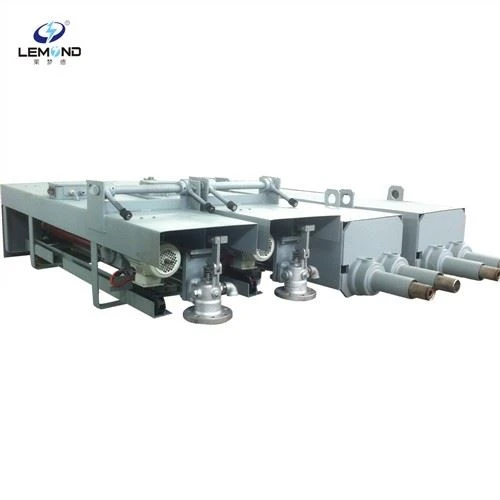
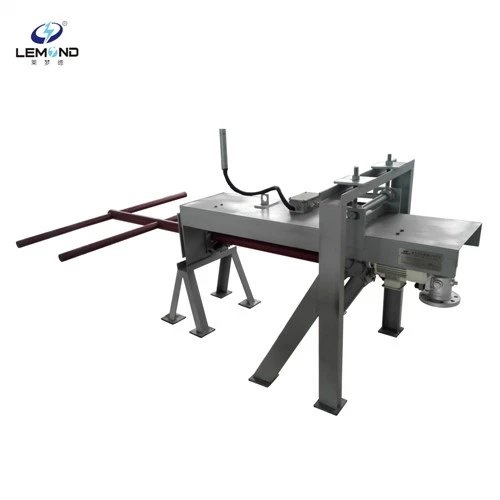
SCR (Selective Catalytic Reduction) rake soot blowers play a crucial role in maintaining the efficiency and performance of industrial boilers and power plants. As a dedicated SCR rake soot blower supplier, we understand the importance of having the right spare parts to ensure the smooth operation of these essential machines. In this blog post, we'll delve into the spare parts requirements for SCR rake soot blowers, providing you with a comprehensive guide to keep your equipment in top - notch condition.
Understanding SCR Rake Soot Blowers
Before we discuss the spare parts, it's essential to understand what SCR rake soot blowers are. These devices are designed to remove soot and ash deposits from the catalyst surfaces in SCR systems. By doing so, they help maintain the proper flow of flue gases, improve denitration efficiency, and reduce the pressure drop across the catalyst beds. There are different types of SCR rake soot blowers available in the market, such as the SCR Rake Denitration Soot Blower, Denox Rake Soot Blower, Double Rack Rake Soot Blower, Denox SCR Rake Soot Blower, and Rake Denitration Soot Blower. Each type has its unique design and operational characteristics, but they all share the common goal of effective soot removal.
Key Spare Parts for SCR Rake Soot Blowers
1. Blowing Tubes
Blowing tubes are the primary components responsible for delivering the cleaning medium (usually steam or compressed air) to the catalyst surfaces. Over time, these tubes can wear out due to high - temperature exposure, abrasive particles in the flue gas, and the force of the blowing medium. It's crucial to have spare blowing tubes on hand to replace any damaged or worn - out ones promptly. The material of the blowing tubes is typically high - temperature - resistant alloy to withstand the harsh operating conditions inside the SCR system.
2. Rake Heads
Rake heads are designed to penetrate the catalyst layers and agitate the soot deposits. They come in different shapes and sizes, depending on the type of SCR system and the catalyst configuration. Spare rake heads are necessary because they can get bent, broken, or worn down during operation. A damaged rake head can significantly reduce the effectiveness of the soot - blowing process, leading to increased soot accumulation and decreased system efficiency.
3. Drive Components
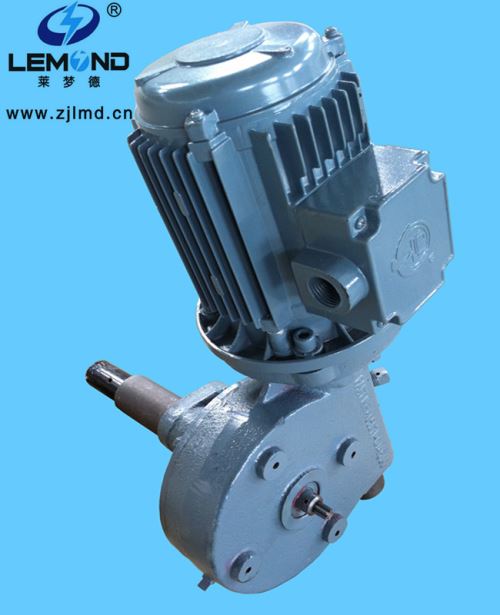
The drive components of an SCR rake soot blower, including motors, gearboxes, chains, and sprockets, are responsible for moving the rake assembly in and out of the catalyst beds. These components are subject to mechanical stress, wear, and tear. Motors can fail due to electrical issues or overheating, while gearboxes can experience problems with lubrication or internal gear damage. Having spare drive components ensures that any breakdowns can be quickly repaired, minimizing downtime.
4. Seals and Gaskets
Seals and gaskets are used to prevent the leakage of the blowing medium and flue gases. They are located at various joints and connections within the soot - blower system, such as between the blowing tubes and the main body of the blower. Over time, seals and gaskets can deteriorate due to high temperatures, chemical exposure, and mechanical movement. Spare seals and gaskets should be readily available to maintain the integrity of the system and prevent any unwanted emissions.
5. Control Valves
Control valves regulate the flow and pressure of the blowing medium. They are essential for ensuring that the soot - blowing process is carried out accurately and efficiently. Malfunctioning control valves can lead to inconsistent blowing, excessive pressure, or insufficient cleaning. Therefore, having spare control valves is crucial for troubleshooting and maintaining the proper operation of the SCR rake soot blower.
Spare Parts Inventory Management
Proper inventory management of spare parts is vital for ensuring the continuous operation of SCR rake soot blowers. Here are some tips for effective spare parts inventory management:
- Analysis of Spare Parts Usage: Conduct a detailed analysis of past spare parts usage to determine the frequency of replacement for each component. This will help you identify the critical spare parts that need to be stocked at all times.
- Lead - Time Consideration: Take into account the lead time for procuring spare parts from the supplier. For parts that have a long lead time, it's advisable to maintain a higher inventory level to avoid any delays in repairs.
- Regular Inspection and Maintenance: Perform regular inspections of the SCR rake soot blowers to identify any potential issues with the spare parts. This proactive approach can help you detect early signs of wear and replace the parts before they cause a breakdown.
- Documentation: Keep accurate records of spare parts inventory, including the quantity, location, and usage history. This documentation will facilitate easy tracking and reordering of spare parts when needed.
Importance of Quality Spare Parts
Using high - quality spare parts is essential for the long - term performance and reliability of SCR rake soot blowers. Inferior quality parts may not fit properly, may have a shorter lifespan, and can potentially cause more damage to the equipment. As a trusted SCR rake soot blower supplier, we ensure that all our spare parts meet the highest quality standards. Our parts are manufactured using premium materials and undergo rigorous quality control checks to guarantee their performance and durability.
Conclusion
In conclusion, understanding the spare parts requirements for SCR rake soot blowers is crucial for the efficient and reliable operation of industrial boilers and power plants. By maintaining a proper inventory of key spare parts such as blowing tubes, rake heads, drive components, seals and gaskets, and control valves, you can minimize downtime, reduce maintenance costs, and extend the lifespan of your SCR rake soot blowers.


If you're in need of high - quality spare parts for your SCR rake soot blowers or have any questions about our products and services, don't hesitate to contact us for procurement discussions. We're here to provide you with the best solutions to meet your specific needs.
References
- Industrial boiler and power plant maintenance manuals.
- Technical specifications of SCR rake soot blowers.
- Literature on selective catalytic reduction systems.