As a supplier of soot blowers, I've seen firsthand how crucial it is to understand the ins and outs of these machines. One of the most fascinating aspects is how sound frequency affects the performance of a sonic soot blower. Let's dive into this topic and see what it means for your operations.
What Are Sonic Soot Blowers?
Before we get into the frequency stuff, let's quickly talk about sonic soot blowers. These are devices that use sound waves to remove soot and ash from industrial equipment like boilers, furnaces, and heat exchangers. They're a great alternative to traditional mechanical or steam soot blowers because they're more energy - efficient and cause less wear and tear on the equipment.
The Role of Sound Frequency
Sound frequency is measured in Hertz (Hz), and it basically tells you how many sound wave cycles occur in one second. In the context of sonic soot blowers, different frequencies can have a big impact on how well they clean the equipment.
Low Frequencies
Low - frequency sound waves, typically below 100 Hz, have longer wavelengths. This means they can travel further and penetrate deeper into the equipment. They're great for dislodging large, heavy accumulations of soot and ash. For example, in a large industrial boiler, low - frequency sonic soot blowers can reach areas that are hard to access with other cleaning methods. However, low - frequency waves also require more energy to generate, and they may not be as effective at removing fine particles.
High Frequencies
On the other hand, high - frequency sound waves, above 1000 Hz, have shorter wavelengths. They're better at agitating and removing fine particles of soot and ash. In a heat exchanger where the build - up is more fine and powdery, high - frequency sonic soot blowers can do an excellent job. But high - frequency waves don't travel as far as low - frequency ones, so they're more suitable for smaller areas or areas close to the blower.
Optimal Frequency Range
So, what's the best frequency for a sonic soot blower? Well, it depends on the specific application. In most cases, a frequency range between 100 Hz and 1000 Hz is considered optimal. This range combines the deep - penetration ability of low - frequency waves with the fine - particle removal efficiency of high - frequency waves.
Impact on Performance
The sound frequency directly affects the performance of a sonic soot blower in several ways.
Cleaning Efficiency
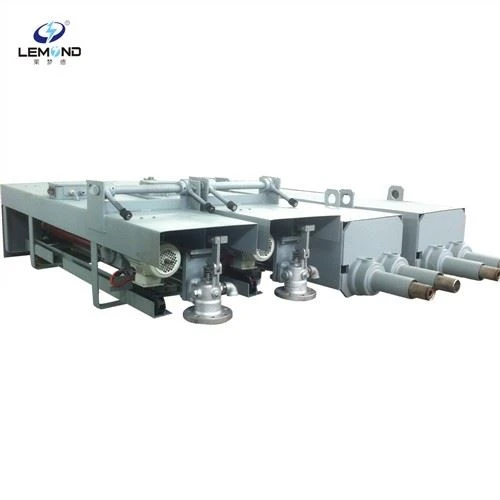
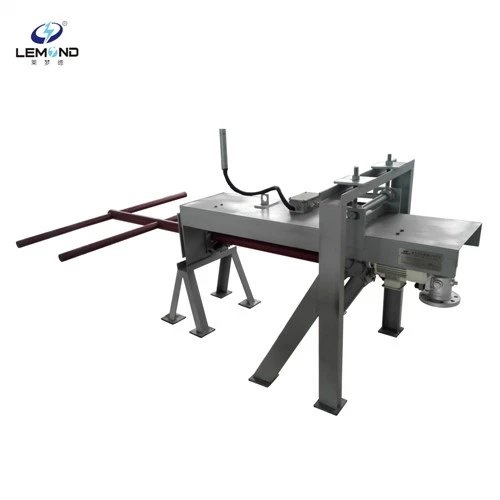
As we've discussed, the right frequency can significantly improve the cleaning efficiency. If you choose a frequency that matches the type of soot and the size of the area to be cleaned, you'll get better results. For example, if you have a large biomass plant with thick soot deposits, a low - frequency Biomass Plant Soot Blower might be the best choice. On the other hand, for a smaller SCR system with fine ash, a high - frequency SCR Rake Soot Blower could be more effective.
Energy Consumption
Frequency also affects energy consumption. Low - frequency waves require more power to generate, so if you use a low - frequency blower when a high - frequency one would do the job, you'll end up wasting energy. Conversely, if you try to use a high - frequency blower in a large area where low - frequency waves are needed, it won't clean effectively, and you'll still be using energy without getting the desired results.
Equipment Lifespan
Using the right frequency can also extend the lifespan of the equipment. If the soot blower is operating at an optimal frequency, it won't put unnecessary stress on the components. For instance, a Swing Retractable Soot Blower that is set to the right frequency will experience less wear and tear, which means fewer breakdowns and longer service life.
Selecting the Right Frequency
When selecting a sonic soot blower, it's essential to consider the frequency carefully. Here are some factors to keep in mind:


Type of Soot
The type of soot or ash in your equipment is a crucial factor. If it's a heavy, sticky soot, low - frequency waves are better. If it's a fine, powdery ash, high - frequency waves will work better.
Size of the Area
The size of the area to be cleaned also matters. Larger areas usually require low - frequency waves for better penetration, while smaller areas can be effectively cleaned with high - frequency waves.
Equipment Configuration
The configuration of your equipment, such as the shape and layout of the pipes and chambers, can influence the choice of frequency. Some equipment may have areas that are more difficult to reach, and the frequency needs to be adjusted accordingly.
Our Soot Blower Offerings
At our company, we offer a wide range of soot blowers, each designed to operate at different frequencies to meet various needs. For example, our Short Retractable Soot Blower is suitable for smaller areas and can be adjusted to a high - frequency setting for efficient fine - particle removal. Our Fixed Rotary Sootblower can cover a larger area and is available with a frequency range that can be optimized for different types of soot.
Conclusion
In conclusion, sound frequency plays a vital role in the performance of a sonic soot blower. Understanding how different frequencies work and how they affect cleaning efficiency, energy consumption, and equipment lifespan is crucial for making the right choice. Whether you're dealing with a large industrial boiler or a small heat exchanger, selecting the appropriate frequency can make a significant difference in the overall performance of your equipment.
If you're interested in learning more about our soot blowers or need help in selecting the right frequency for your application, don't hesitate to reach out. We're here to assist you in finding the best solution for your soot - removal needs. Let's work together to keep your equipment running smoothly and efficiently.
References
- Smith, J. (2018). "The Science of Soot Removal". Industrial Cleaning Journal.
- Johnson, A. (2019). "Sound Waves in Industrial Applications". Acoustics Research Magazine.