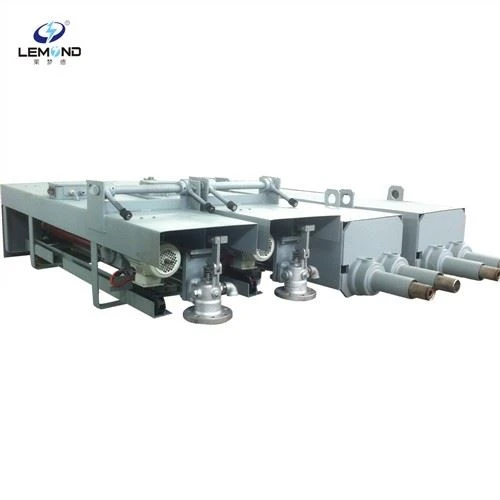
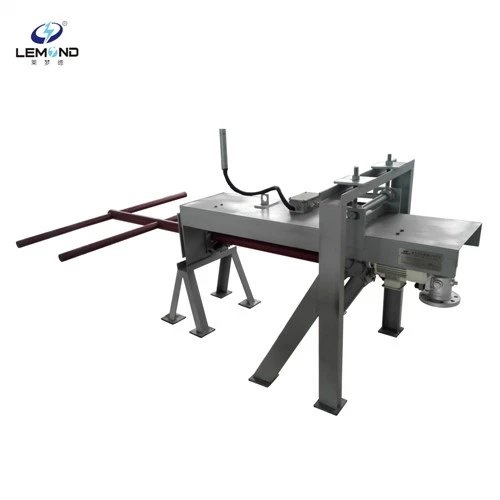
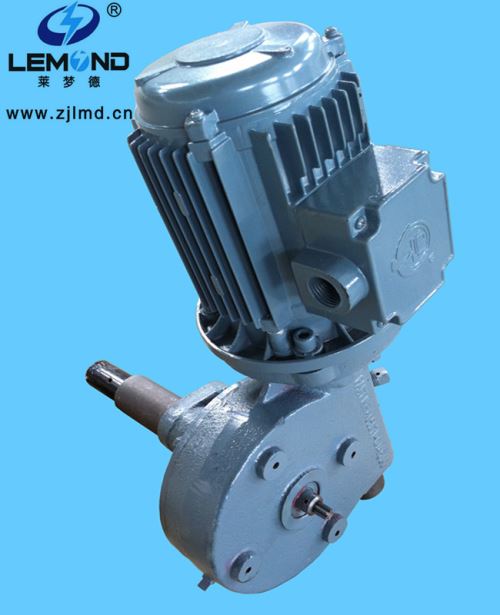
As a supplier of SCR Rake Soot Blowers, I often receive inquiries about the power consumption of these essential devices. In this blog post, I'll delve into the factors that influence the power consumption of SCR Rake Soot Blowers, provide some estimates, and discuss how you can optimize energy usage.
Understanding SCR Rake Soot Blowers
SCR Rake Soot Blowers play a crucial role in maintaining the efficiency of Selective Catalytic Reduction (SCR) systems. These systems are used in power plants, steel plants, and other industrial facilities to reduce nitrogen oxide (NOx) emissions. Over time, soot and ash can accumulate on the catalyst surfaces, reducing their effectiveness. SCR Rake Soot Blowers are designed to remove this buildup, ensuring that the SCR system operates at peak performance.
There are several types of SCR Rake Soot Blowers available, including SCR Steam Rake Soot Blower, Denox SCR Steam Rake Soot Blower, SCR Rake Denitration Soot Blower, Denox SCR Rake Soot Blower, and Steel Plant SCR Rake Sootblower. Each type has its own unique features and applications, but they all share the common goal of keeping the SCR system clean.
Factors Affecting Power Consumption
The power consumption of an SCR Rake Soot Blower depends on several factors, including:

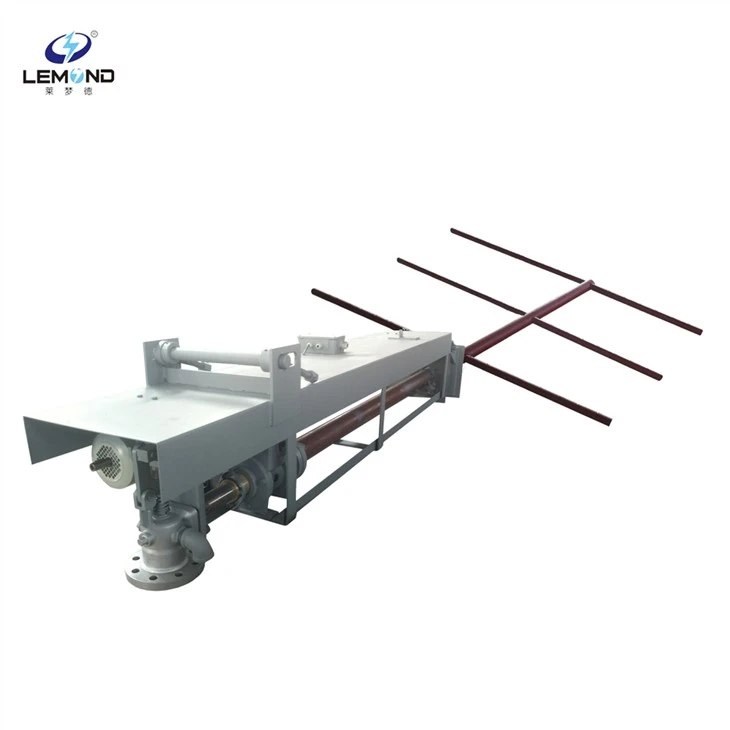
1. Blower Type and Design
Different types of SCR Rake Soot Blowers have different power requirements. For example, steam-powered soot blowers typically require less electrical power than electrically-driven blowers. The design of the blower, such as the size and number of nozzles, also affects power consumption. A blower with more nozzles or larger nozzles may require more power to operate.
2. Operating Frequency
The frequency at which the soot blower is operated can have a significant impact on power consumption. If the blower is run more frequently, it will consume more power. However, running the blower less frequently may result in increased soot buildup, which can reduce the efficiency of the SCR system. Finding the right balance is crucial.
3. System Pressure
The pressure of the steam or air used in the soot blower also affects power consumption. Higher pressures generally require more power to generate. However, higher pressures can also provide more effective cleaning, so it's important to consider the trade-off between power consumption and cleaning performance.
4. Duct Size and Configuration
The size and configuration of the ducts in the SCR system can affect the power consumption of the soot blower. If the ducts are small or have a complex configuration, the blower may need to work harder to push the steam or air through, resulting in increased power consumption.
Estimating Power Consumption
Estimating the power consumption of an SCR Rake Soot Blower can be challenging, as it depends on the factors mentioned above. However, as a general rule of thumb, a typical steam-powered SCR Rake Soot Blower may consume between 1 - 5 kW of electrical power, depending on its size and operating conditions. Electrically-driven blowers may consume more power, typically in the range of 5 - 15 kW.
It's important to note that these are just rough estimates, and the actual power consumption of your SCR Rake Soot Blower may vary. To get a more accurate estimate, it's best to consult with the manufacturer or a qualified engineer.
Optimizing Power Consumption
As an SCR Rake Soot Blower supplier, I understand the importance of optimizing energy usage. Here are some tips to help you reduce the power consumption of your SCR Rake Soot Blower:
1. Choose the Right Blower
Selecting the right type and size of SCR Rake Soot Blower for your application is crucial. A blower that is too large or too powerful for your needs will consume more energy than necessary. Work with a reputable supplier to determine the most suitable blower for your SCR system.
2. Adjust the Operating Frequency
Find the optimal operating frequency for your soot blower. Running the blower too frequently can waste energy, while running it too infrequently can lead to increased soot buildup. Monitor the performance of your SCR system and adjust the operating frequency accordingly.
3. Maintain the Blower
Regular maintenance of your SCR Rake Soot Blower is essential to ensure its efficient operation. Keep the nozzles clean and free of debris, and check the seals and gaskets for leaks. A well-maintained blower will consume less power and provide better cleaning performance.
4. Optimize the System Pressure
Work with an engineer to optimize the pressure of the steam or air used in your soot blower. Finding the right balance between pressure and power consumption can help you reduce energy usage without sacrificing cleaning effectiveness.
Conclusion
The power consumption of an SCR Rake Soot Blower is influenced by several factors, including the blower type and design, operating frequency, system pressure, and duct size and configuration. By understanding these factors and taking steps to optimize energy usage, you can reduce the power consumption of your SCR Rake Soot Blower and improve the efficiency of your SCR system.
If you're interested in learning more about our SCR Rake Soot Blowers or have any questions about power consumption, please don't hesitate to contact us. We'd be happy to discuss your specific needs and provide you with a customized solution.
References
- Manufacturer's specifications for SCR Rake Soot Blowers
- Industry standards and guidelines for SCR system operation
- Technical papers and research on SCR Rake Soot Blower performance and energy efficiency