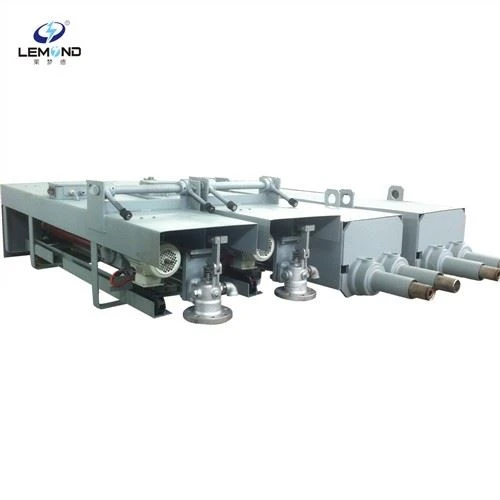
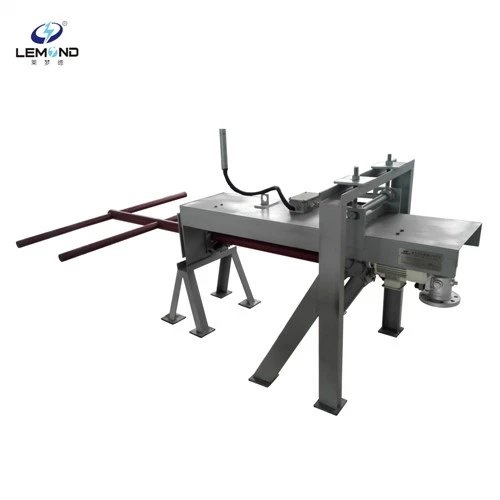
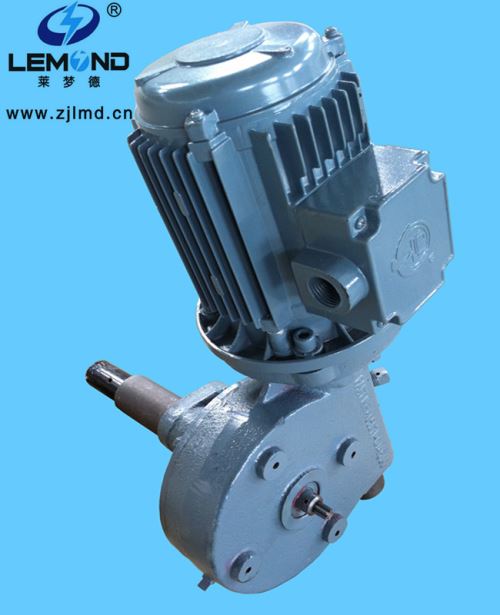
As a supplier of Sonic Soot Blower in Boiler, I've witnessed firsthand the transformative impact these devices have on the efficiency and longevity of air pre - heaters in boilers. In this blog, I'll delve into the science behind how a sonic soot blower cleans the air pre - heater in a boiler.
The Problem of Soot Accumulation in Air Pre - Heaters
Air pre - heaters play a crucial role in boiler systems. They are designed to recover heat from the flue gases and transfer it to the incoming combustion air. This not only improves the overall efficiency of the boiler but also reduces fuel consumption. However, during the combustion process, soot, ash, and other particulate matter are produced. These substances can accumulate on the surfaces of the air pre - heater, forming a layer of deposits.
The accumulation of soot on the air pre - heater has several negative consequences. First, it acts as an insulator, reducing the heat transfer efficiency between the flue gases and the incoming air. As a result, the boiler has to burn more fuel to achieve the desired temperature, leading to increased operating costs. Second, the soot deposits can restrict the flow of flue gases and air through the pre - heater, causing an increase in pressure drop. This can lead to reduced boiler performance, increased wear and tear on the system, and even potential safety hazards.
How Sonic Soot Blowers Work
Sonic soot blowers operate on the principle of acoustic energy. They generate high - intensity sound waves that propagate through the air and interact with the soot deposits on the surfaces of the air pre - heater.
Generation of Sound Waves
There are different types of sonic soot blowers, such as the Compress Air Acoustic Soot Blower. In a compress air acoustic soot blower, compressed air is used to drive a resonator or a diaphragm. When the compressed air is released into the resonator, it causes the resonator to vibrate at a specific frequency, generating sound waves. These sound waves typically have a frequency in the range of 20 - 200 Hz, which is within the low - frequency range. The low - frequency sound waves have a long wavelength, allowing them to penetrate deep into the air pre - heater and reach the soot deposits.
Interaction with Soot Deposits
Once the sound waves are generated, they travel through the air and reach the surfaces of the air pre - heater where the soot is accumulated. The sound waves cause the soot particles to vibrate. The vibration disrupts the adhesion forces between the soot particles and the surface of the pre - heater. As a result, the soot particles start to loosen and detach from the surface.
The vibration also causes the larger soot agglomerates to break down into smaller particles. These smaller particles are then carried away by the flow of flue gases and air through the pre - heater. In addition, the sound waves can create a secondary effect called acoustic streaming. Acoustic streaming is a phenomenon where the sound waves induce a steady flow of fluid in the vicinity of the vibrating surface. This fluid flow helps to carry the detached soot particles away from the pre - heater surfaces, further enhancing the cleaning process.
Advantages of Sonic Soot Blowers for Air Pre - Heaters
Efficient Cleaning
Sonic soot blowers are highly effective in cleaning the air pre - heater. They can reach areas that are difficult to access with traditional cleaning methods, such as manual brushing or steam blowing. The low - frequency sound waves can penetrate through the entire volume of the pre - heater, ensuring that all the soot deposits are loosened and removed.


Non - Invasive
Unlike some other cleaning methods, sonic soot blowers are non - invasive. They do not require any physical contact with the surfaces of the air pre - heater. This means that there is no risk of damage to the pre - heater components during the cleaning process. In addition, sonic soot blowers can be operated while the boiler is in operation, minimizing downtime and disruption to the production process.
Cost - Effective
Using sonic soot blowers can lead to significant cost savings in the long run. By improving the heat transfer efficiency of the air pre - heater, the boiler consumes less fuel, reducing the operating costs. Moreover, the reduced pressure drop in the pre - heater means less wear and tear on the system, which can extend the lifespan of the air pre - heater and other boiler components, reducing maintenance and replacement costs.
Different Types of Sonic Soot Blowers for Air Pre - Heaters
Acoustic Soot Blower
Acoustic soot blowers use the principle of sound wave generation to clean the air pre - heater. They can be powered by different sources, such as compressed air or steam. These blowers are known for their wide coverage area and high - intensity sound waves, which can effectively remove soot from large - scale air pre - heaters.
Maintanence - free Sonic Soot Blower
As the name suggests, maintenance - free sonic soot blowers require minimal maintenance. They are designed with durable components that can withstand the harsh environment inside the boiler. This type of blower is ideal for applications where continuous operation and low maintenance are required.
SCR Acoustic Soot Blower
SCR (Selective Catalytic Reduction) acoustic soot blowers are specifically designed for air pre - heaters in boilers with SCR systems. These blowers can effectively clean the catalyst surfaces in the SCR system, ensuring the proper functioning of the SCR process and reducing emissions.
Installation and Operation of Sonic Soot Blowers in Air Pre - Heaters
Installation
The installation of sonic soot blowers in air pre - heaters requires careful planning. The blowers should be installed at strategic locations to ensure maximum coverage of the pre - heater surfaces. The number and placement of the blowers depend on the size and design of the air pre - heater, as well as the type and amount of soot deposits.
During the installation process, it is important to ensure that the blowers are properly connected to the power source (such as compressed air lines) and that the sound waves can propagate freely through the pre - heater. In addition, the blowers should be installed in a way that does not interfere with the normal operation of the air pre - heater or other boiler components.
Operation
Once the sonic soot blowers are installed, they can be operated either manually or automatically. In manual operation, the operator can start and stop the blowers as needed, depending on the level of soot accumulation. In automatic operation, the blowers are controlled by a programmable logic controller (PLC) or a similar device. The PLC can be programmed to start the blowers at regular intervals or based on certain operating parameters, such as the pressure drop across the air pre - heater.
Conclusion
Sonic soot blowers are a powerful tool for cleaning air pre - heaters in boilers. By generating high - intensity sound waves, they can effectively remove soot deposits, improve heat transfer efficiency, and reduce pressure drop. The different types of sonic soot blowers, such as Acoustic Soot Blower, Sonic Soot Blower in Boiler, Compress Air Acoustic Soot Blower, Maintanence - free Sonic Soot Blower, and SCR Acoustic Soot Blower, offer a wide range of options to meet the specific needs of different boiler systems.
If you are looking for an efficient and cost - effective solution to clean the air pre - heater in your boiler, consider our sonic soot blowers. We are a reliable supplier of Sonic Soot Blower in Boiler, and we are committed to providing high - quality products and excellent customer service. Contact us to discuss your requirements and start improving the performance of your boiler today.
References
- "Boiler Efficiency and Combustion" by John A. Kitto and Steven J. Stultz
- "Industrial Boilers and Heat Recovery Steam Generators: Design, Applications, and Calculations" by V. Ganapathy