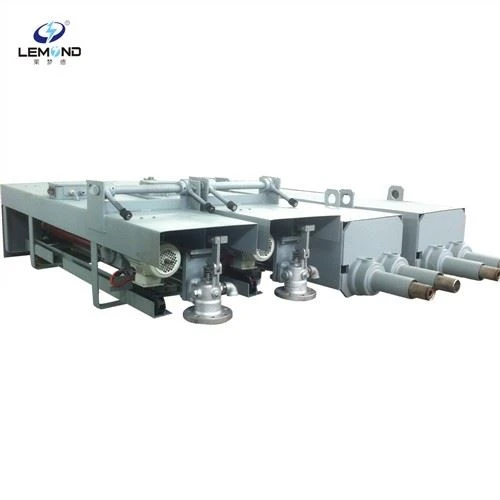
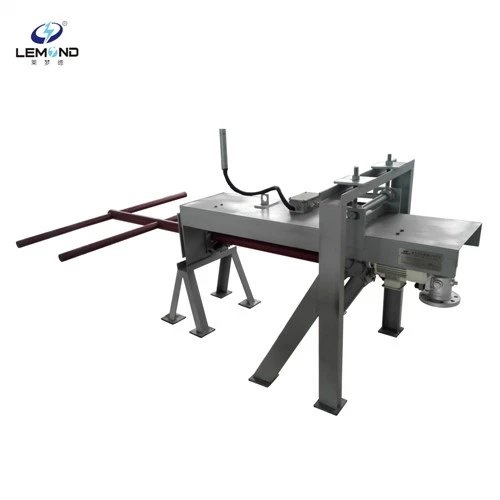
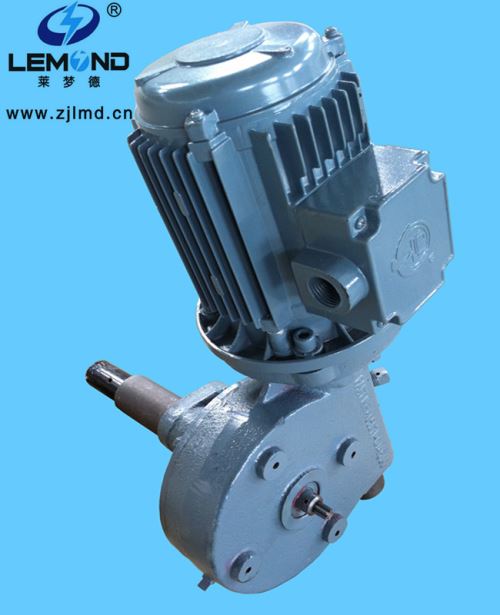
Ash is an inevitable by - product in many industrial combustion processes. For fixed rotary ash blowers, which play a crucial role in maintaining the efficiency and normal operation of boilers and other thermal equipment, the composition of ash can have a profound influence. As a supplier of Fixed Rotary Ash Blowers, understanding these influences helps us provide better products and services to our customers.
Physical and Chemical Properties of Ash Composition
Ash is a complex mixture that mainly consists of inorganic substances such as silica (SiO₂), alumina (Al₂O₃), iron oxide (Fe₂O₃), calcium oxide (CaO), magnesium oxide (MgO), and various alkali metals and alkaline - earth metal salts. These components vary significantly in different fuels, such as coal, oil, and biomass. Physical properties, including particle size, shape, and density, and chemical properties, like reactivity and melting point, are determined by the ash composition.


Influence on Ash Blower Erosion
The silicon dioxide and aluminum oxide in ash are relatively hard substances. When the ash contains a high proportion of these components, the particles are likely to cause significant abrasion to the nozzles and rotating parts of the Fixed Rotary Ash Blower. High - hardness ash particles impact the surface of the ash blower at high speed during the blowing process. Over time, this continuous abrasion can lead to the thinning and damage of the nozzle wall, reducing the jetting efficiency of the ash blower and even causing the nozzle to fail. For instance, in a power plant burning high - silicon - content coal, the maintenance frequency of the fixed rotary ash blowers became much higher due to nozzle wear.
Impact on Deposition and Fouling
The alkali metals and alkaline - earth metal salts in ash have relatively low melting points. When the flue gas temperature drops, these substances may begin to condense and deposit on the heating surfaces and ash blower components. For example, potassium and sodium salts can form sticky deposits, which not only block the path of the ash blower's jet but also affect heat transfer efficiency. In extreme cases, large - scale fouling can lead to the malfunction of the Fixed Rotary Ash Blower. The formation of these deposits is a complex process that is related to the flue gas temperature, the chemical composition of ash, and the operation time of the equipment.
Effects on Ash Blower Performance
Jetting Effect
The density and particle size distribution of ash have a direct impact on the jetting effect of the Fixed Rotary Ash Blower. If the ash is mainly composed of fine particles, it is easier for the jet to disperse the ash. However, if the ash contains a large amount of large - sized particles, the jet may not be able to effectively remove these particles, and they may accumulate around the ash blower, reducing the overall cleaning efficiency. Moreover, the viscosity of the ash, which is related to its chemical composition, also affects the jetting effect. High - viscosity ash is more likely to adhere to the equipment, making it difficult for the jet to break it up.
Rotation and Sealing
The abrasion caused by ash can also affect the rotation and sealing performance of the Fixed Rotary Ash Blower. Abrasion of the rotating shaft and bearings can increase the friction resistance, leading to a decrease in the rotation speed of the ash blower. This reduces the coverage of the jet and the overall cleaning area. In addition, the wear of the sealing components can cause leakage of the blowing medium (such as steam or compressed air), which not only wastes energy but also reduces the reliability of the ash blower. For example, in some cases, leakage of steam from the ash blower can cause corrosion of surrounding equipment.
Adaptation and Improvement of Fixed Rotary Ash Blowers
Material Selection
As a supplier of Fixed Rotary Ash Blowers, we pay great attention to the material selection of the equipment. For components prone to abrasion, such as nozzles and rotating shafts, we choose high - hardness and wear - resistant materials. For example, tungsten - carbide - coated nozzles can significantly improve the wear resistance and extend the service life of the ash blower. We also use corrosion - resistant materials for the sealing components to prevent leakage caused by corrosion.
Design Optimization
In the design process, we consider the influence of ash composition. For example, we adjust the jetting angle and pressure of the nozzles according to the average particle size and density of the ash. For high - viscosity ash, we can increase the jetting pressure and optimize the nozzle shape to improve the ability to break up the ash. In addition, we also improve the sealing structure to prevent the leakage of the blowing medium and the entry of ash particles.
Related Product Introduction
We offer a variety of ash blowers to meet different customer needs. Our Motorised Rotary Sootblower is a powerful tool for continuous soot and ash removal in industrial boilers. The Economizer Rotary Element Soot Blower is specifically designed for economizers, effectively preventing fouling and improving heat transfer efficiency. The Furnace Arch Rotary Soot Blower can reach the difficult - to - clean areas in the furnace arch. And our Fixed Rotary Sootblower and Fixed Rotary Ash Blower are reliable choices for general ash and soot removal in various industrial applications.
Conclusion and Call to Action
In conclusion, the composition of ash has a multi - faceted influence on the performance and operation of Fixed Rotary Ash Blowers. As a professional supplier, we are committed to providing high - quality products that can adapt to different ash compositions. By understanding the characteristics of ash, we can optimize the design and material selection of our ash blowers to ensure their long - term and reliable operation.
If you are facing problems related to ash removal in your industrial equipment, or if you are interested in our Fixed Rotary Ash Blowers and other related products, we welcome you to contact us for procurement and negotiation. We are ready to provide you with customized solutions based on your specific needs.
References
- Smoot, L. D., & Smith, P. J. (1985). Coal combustion and gasification. Plenum Press.
- Baxter, L. L. (1993). Overview of biomass fuel characteristics. Biomass and Bioenergy, 4(3 - 4), 85 - 102.
- Field, M. A., Gill, D. W., Morgan, B. B., & Hawksley, P. G. W. (1967). Combustion of pulverized coal. British Coal Utilization Research Association.