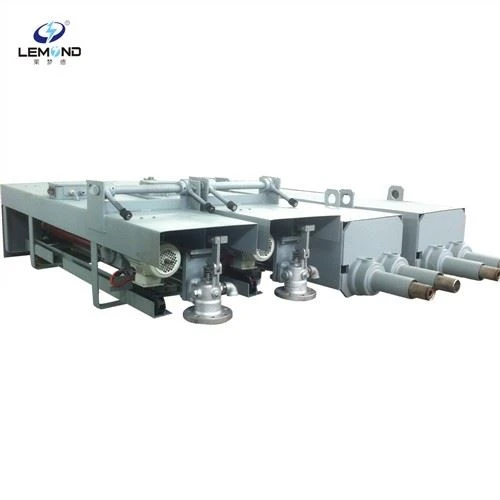
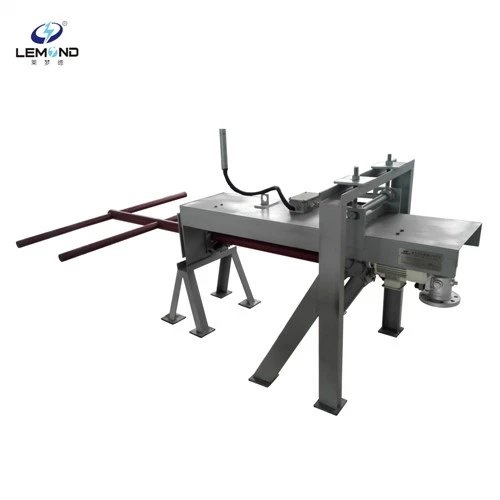
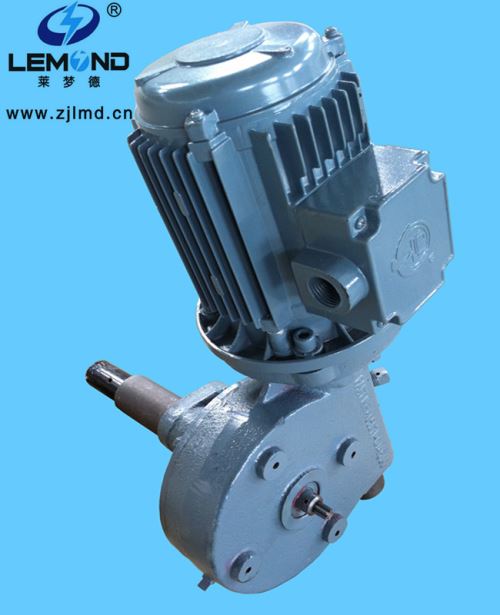
As a supplier of Furnace Wall Soot Blowers, I've witnessed firsthand the critical role these devices play in maintaining the efficiency and longevity of industrial furnaces. One of the most frequently asked questions in our field is about the relationship between steam pressure and the cleaning effect of a steam-driven Furnace Wall Soot Blower. In this blog, I'll delve into this topic, exploring the science behind it and how it impacts the performance of our products.
Understanding the Basics of Steam-Driven Furnace Wall Soot Blowers
Before we dive into the relationship between steam pressure and cleaning effect, let's first understand how steam-driven Furnace Wall Soot Blowers work. These blowers use high-pressure steam to remove soot, ash, and other deposits from the walls of industrial furnaces. The steam is ejected through nozzles at high velocity, creating a powerful force that dislodges the deposits and blows them away.
The main types of Furnace Wall Soot Blowers we supply include Retractable Sootblower, Short retractable sootblower, Furnace Wall Sootblower, Short Retractable Soot Blower, and Small Size Furnace Soot Blower. Each type is designed to meet specific requirements and operating conditions, but they all rely on steam to perform their cleaning function.
The Role of Steam Pressure in Cleaning
Steam pressure is a crucial factor in determining the effectiveness of a steam-driven Furnace Wall Soot Blower. The higher the steam pressure, the greater the force with which the steam is ejected from the nozzles, and the more effectively it can remove deposits from the furnace walls.
When steam is ejected at high pressure, it creates a shockwave that travels through the deposits, causing them to break apart and detach from the surface. The high-velocity steam then carries the dislodged particles away, preventing them from reattaching to the furnace walls.
However, it's important to note that increasing steam pressure isn't always the best solution. While higher pressure can improve cleaning performance, it also comes with some drawbacks. For example, excessive steam pressure can cause damage to the furnace walls, nozzles, and other components of the soot blower. It can also increase energy consumption and operating costs.
Finding the Optimal Steam Pressure
So, how do you find the optimal steam pressure for your Furnace Wall Soot Blower? The answer depends on several factors, including the type and thickness of the deposits, the size and design of the furnace, and the operating conditions.
In general, a steam pressure of 40 to 60 bar is considered suitable for most industrial furnaces. This range provides a good balance between cleaning effectiveness and component durability. However, in some cases, higher or lower pressures may be required.


For example, if the deposits are particularly thick or hard, a higher steam pressure may be necessary to break them apart. On the other hand, if the furnace walls are made of a delicate material or if the operating conditions are sensitive, a lower steam pressure may be preferred to avoid damage.
To determine the optimal steam pressure for your specific application, it's recommended to consult with a professional engineer or a supplier of Furnace Wall Soot Blowers. They can conduct a detailed analysis of your furnace and provide you with customized recommendations based on your needs.
Other Factors Affecting Cleaning Effectiveness
While steam pressure is an important factor, it's not the only one that affects the cleaning effectiveness of a steam-driven Furnace Wall Soot Blower. Other factors include:
- Nozzle Design: The design of the nozzles plays a crucial role in determining the distribution and velocity of the steam. A well-designed nozzle can ensure that the steam is evenly distributed over the furnace walls and that it reaches the areas where the deposits are most concentrated.
- Blowing Pattern: The blowing pattern of the soot blower also affects its cleaning effectiveness. Different blowing patterns, such as radial, axial, or spiral, can be used to target specific areas of the furnace walls and to remove deposits more effectively.
- Frequency of Blowing: The frequency of blowing is another important factor. Regular blowing can prevent the buildup of deposits and keep the furnace walls clean. However, blowing too frequently can also cause unnecessary wear and tear on the components of the soot blower.
- Steam Quality: The quality of the steam used in the soot blower can also affect its cleaning effectiveness. Steam that contains impurities or moisture can reduce the force of the steam and make it less effective at removing deposits.
Conclusion
In conclusion, the relationship between steam pressure and the cleaning effect of a steam-driven Furnace Wall Soot Blower is complex and depends on several factors. While higher steam pressure can generally improve cleaning performance, it's important to find the optimal pressure that balances cleaning effectiveness with component durability and energy consumption.
At our company, we're committed to providing our customers with high-quality Furnace Wall Soot Blowers that are designed to meet their specific needs. Our team of experienced engineers can help you determine the optimal steam pressure and other operating parameters for your furnace, ensuring that you get the best possible cleaning results.
If you're interested in learning more about our Furnace Wall Soot Blowers or if you have any questions about the relationship between steam pressure and cleaning effect, please don't hesitate to contact us. We'd be happy to discuss your requirements and provide you with a customized solution.
References
- Smith, J. (2018). The Science of Soot Blowing. Industrial Furnace Journal, 45(2), 34-42.
- Johnson, R. (2019). Optimizing Steam Pressure for Furnace Wall Soot Blowers. Energy Efficiency Magazine, 22(3), 56-63.
- Brown, A. (2020). Factors Affecting the Cleaning Effectiveness of Steam-Driven Soot Blowers. Journal of Industrial Cleaning, 15(4), 78-85.