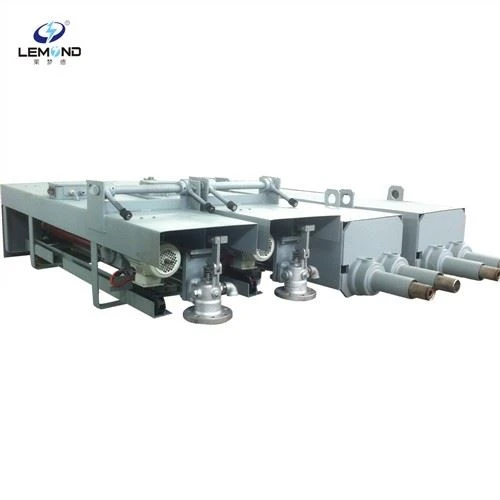
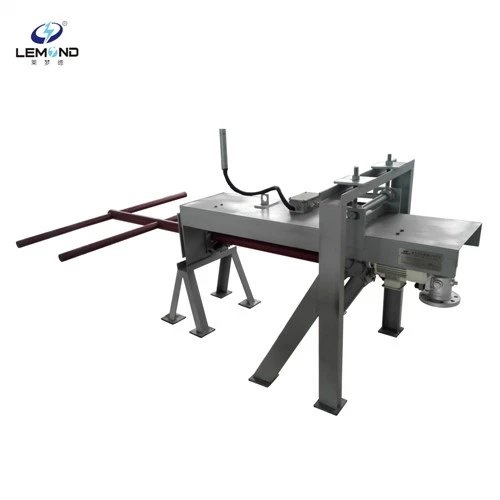
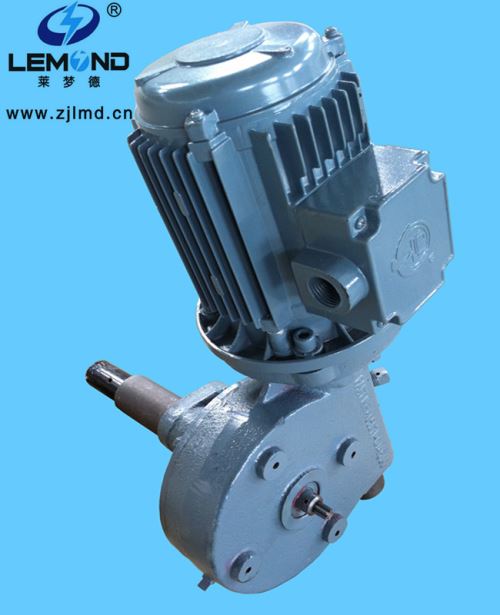
Hey there! As a supplier of Sonic Soot Blowers, I often get asked about the air source required for these nifty devices. So, I thought I'd take a moment to break it down for you.
First off, let's talk about what a Sonic Soot Blower actually does. These bad boys are used to clean soot and ash from various industrial equipment, like boilers and heat exchangers. They work by creating high-intensity sound waves that dislodge the buildup, keeping your equipment running smoothly.
Now, onto the air source. The air source is a crucial component of a Sonic Soot Blower because it's what powers the device. The sound waves are generated by the rapid expansion and contraction of air within the blower. So, you need a reliable and appropriate air supply to make it all happen.
Types of Air Sources
There are a few different types of air sources that can be used for Sonic Soot Blowers. The most common ones are compressed air systems and blowers.
Compressed Air Systems
Compressed air is a popular choice because it's readily available in many industrial settings. It can be stored in tanks and used on-demand. However, there are a few things to keep in mind when using compressed air for your Sonic Soot Blower.
- Pressure: The air pressure needs to be within a certain range for the blower to work effectively. Typically, you'll need a pressure of around 3 to 8 bar (43.5 to 116 psi). If the pressure is too low, the sound waves won't be strong enough to dislodge the soot. On the other hand, if the pressure is too high, it can cause damage to the blower.
- Quality: The air quality is also important. Compressed air can contain moisture, oil, and other contaminants that can damage the blower or reduce its efficiency. That's why it's essential to use an air treatment system to remove these impurities before the air reaches the blower.
Blowers
Blowers are another option for providing the air source for Sonic Soot Blowers. They can be either positive displacement blowers or centrifugal blowers.
- Positive Displacement Blowers: These blowers work by trapping air in a chamber and then pushing it out under pressure. They're known for their ability to provide a consistent flow of air at a relatively low pressure. Positive displacement blowers are often used in applications where a constant air supply is required, such as in large industrial boilers.
- Centrifugal Blowers: Centrifugal blowers, on the other hand, use a rotating impeller to accelerate the air and create a high-velocity stream. They're more efficient at higher pressures than positive displacement blowers and are often used in applications where a high-pressure air supply is needed.
Choosing the Right Air Source
So, how do you choose the right air source for your Sonic Soot Blower? Well, it depends on a few factors, including the size and type of the blower, the application, and the available resources.

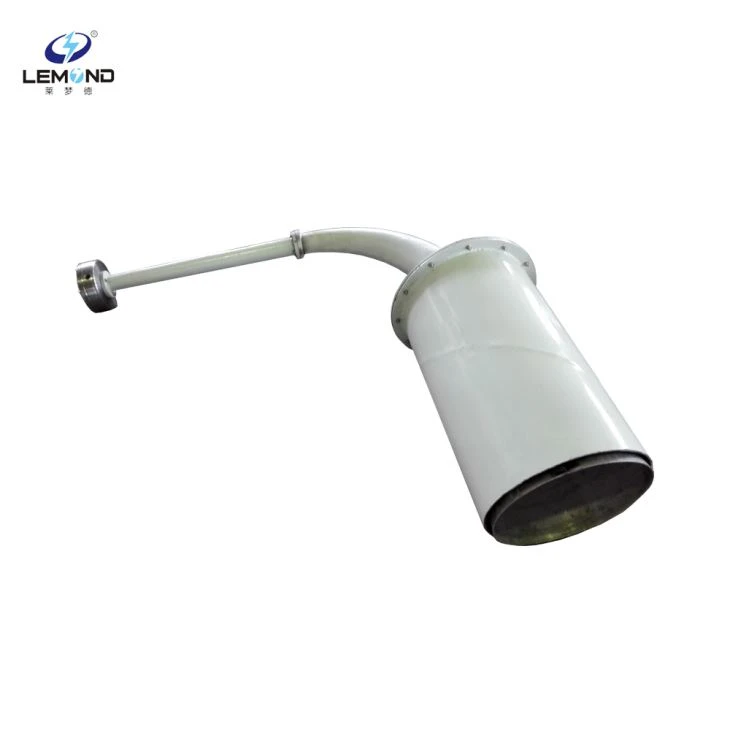
- Size and Type of the Blower: Different Sonic Soot Blowers have different air requirements. Some blowers are designed to work with low-pressure air sources, while others require high-pressure air. Make sure to check the manufacturer's specifications to determine the appropriate air pressure and flow rate for your blower.
- Application: The application also plays a role in choosing the air source. For example, if you're using the blower in a dusty environment, you may need to use an air treatment system to prevent the dust from clogging the blower. Similarly, if you're using the blower in a high-temperature environment, you may need to choose an air source that can handle the heat.
- Available Resources: Finally, you need to consider the available resources in your facility. If you already have a compressed air system in place, it may be more cost-effective to use that as the air source. On the other hand, if you don't have a compressed air system, you may need to invest in a blower.
Our Sonic Soot Blower Offerings
At our company, we offer a wide range of Sonic Soot Blowers to suit different applications and air source requirements. Here are some of our popular products:
- Acoustic Soot Blower: This type of blower is designed to use compressed air to generate sound waves. It's a great option for cleaning soot and ash from large industrial boilers and other equipment.
- SCR Acoustic Soot Blower: The SCR Acoustic Soot Blower is specifically designed for use in Selective Catalytic Reduction (SCR) systems. It helps to keep the catalyst clean and improve the efficiency of the system.
- Maintanence-free Sonic Soot Blower: As the name suggests, this blower is designed to be low-maintenance. It uses a unique design that reduces the need for regular servicing and replacement of parts.
- Sonic Horn Soot Blower: The Sonic Horn Soot Blower is a compact and powerful blower that uses a horn-shaped resonator to generate high-intensity sound waves. It's ideal for use in small to medium-sized applications.
- Sonic Soot Blower in Boiler: This blower is specifically designed for use in boilers. It helps to prevent the buildup of soot and ash on the boiler tubes, improving the efficiency and lifespan of the boiler.
Contact Us for More Information
If you're interested in learning more about our Sonic Soot Blowers or need help choosing the right air source for your application, don't hesitate to contact us. We have a team of experts who can provide you with all the information you need and help you make an informed decision.
Whether you're looking to improve the efficiency of your industrial equipment or reduce maintenance costs, our Sonic Soot Blowers are a great solution. So, why wait? Get in touch with us today and let's start cleaning up your equipment!
References
- Industrial Air Compressor Handbook
- Soot Blower Technology Manuals