


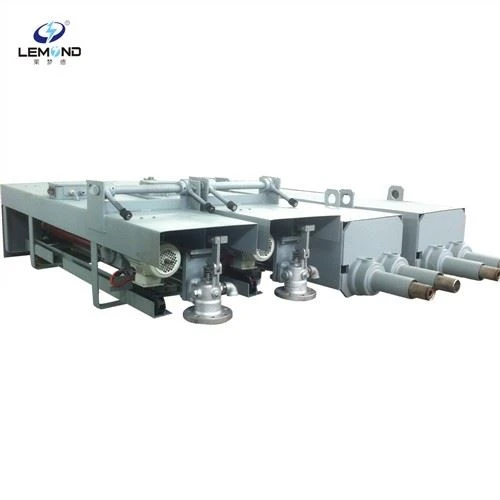
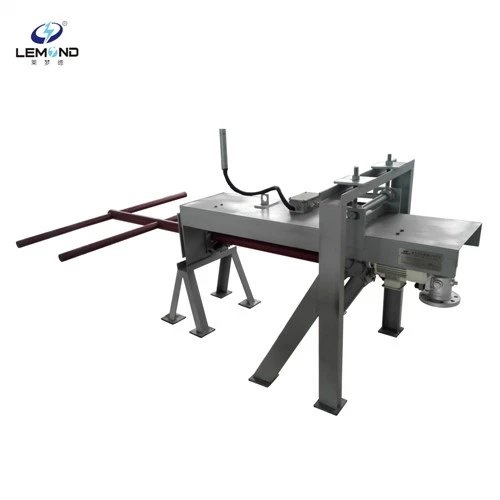
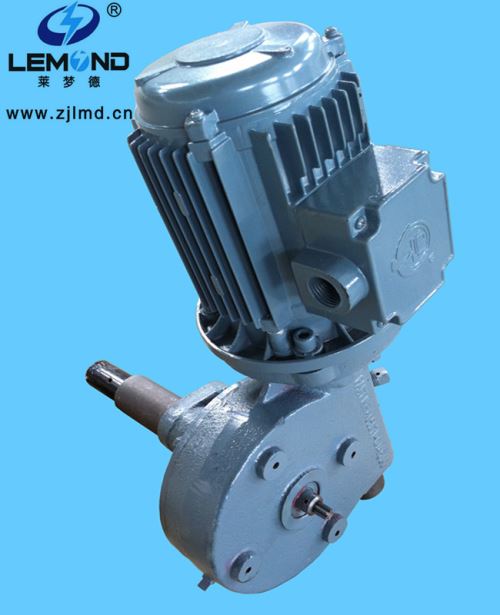
Can a Sonic Soot Blower Be Used in Boilers with High - Temperature Flue Gases?
In the realm of industrial boiler operation, the efficient removal of soot from heat exchange surfaces is crucial for maintaining optimal performance and energy efficiency. Soot buildup on boiler tubes can impede heat transfer, increase fuel consumption, and lead to potential equipment damage. Among the various soot cleaning methods available, sonic soot blowers have emerged as a popular option due to their non - invasive and relatively low - cost nature. However, a common question that arises is whether sonic soot blowers can be effectively used in boilers with high - temperature flue gases.
Understanding Sonic Soot Blowers
Sonic soot blowers operate on the principle of acoustic energy. These devices generate high - intensity sound waves that are transmitted into the boiler's flue gas path. The sound waves cause the soot particles adhering to the heat exchange surfaces to vibrate. This vibration disrupts the cohesive forces between the soot and the surface, allowing the particles to become loose and be carried away by the flowing flue gases.
There are different types of sonic soot blowers available in the market, each with its own characteristics. For example, the Sonic Horn Soot Blower is a well - known type. It uses compressed air or steam to generate powerful sound waves. The Maintanence - free Sonic Soot Blower offers the advantage of reduced maintenance requirements, which can be a significant benefit in industrial settings where downtime needs to be minimized.
Challenges of High - Temperature Flue Gases
Boilers with high - temperature flue gases present several challenges for soot blower operation. Firstly, high temperatures can affect the materials used in the construction of the soot blower. The components of the sonic soot blower, such as the horn or the diaphragm, need to be able to withstand the extreme heat without deforming or losing their functionality. If the materials are not heat - resistant enough, the performance of the soot blower may degrade over time, leading to ineffective soot removal.
Secondly, the acoustic properties of the flue gas can change at high temperatures. The speed of sound in a gas is affected by its temperature. As the temperature of the flue gas increases, the speed of sound also increases. This change in the speed of sound can alter the resonance characteristics of the sonic soot blower and the acoustic field within the boiler. If the sonic soot blower is not properly designed or tuned for the high - temperature conditions, the sound waves may not propagate effectively through the flue gas, reducing the overall cleaning efficiency.
Factors Affecting the Use of Sonic Soot Blowers in High - Temperature Boilers
- Material Selection: The choice of materials for the sonic soot blower is of utmost importance. High - temperature alloys and ceramics are often used for the components that are exposed to the hot flue gases. These materials have high melting points and good thermal stability, allowing them to maintain their structural integrity and acoustic properties at elevated temperatures. For example, some advanced sonic soot blowers use ceramic diaphragms, which are highly resistant to heat and can withstand the harsh conditions in high - temperature boilers.
- Design and Tuning: The design of the sonic soot blower must take into account the high - temperature environment. The frequency of the sound waves generated by the blower needs to be carefully selected to ensure effective soot removal. Additionally, the blower should be tuned to match the acoustic characteristics of the boiler and the high - temperature flue gas. This may involve adjusting the length and shape of the horn or using advanced control systems to optimize the sound wave output.
- Installation Location: The location where the sonic soot blower is installed in the boiler also plays a crucial role. In high - temperature boilers, the flue gas flow pattern and temperature distribution can vary significantly. The soot blower should be installed in a position where the sound waves can reach the areas with the most significant soot buildup. Moreover, the installation should be such that the blower is not exposed to excessive heat or direct contact with the hot flue gases, which could damage the equipment.
Advantages of Using Sonic Soot Blowers in High - Temperature Boilers
Despite the challenges, there are several advantages to using sonic soot blowers in boilers with high - temperature flue gases. One of the main benefits is their non - invasive nature. Unlike some other types of soot blowers, such as steam or water - jet blowers, sonic soot blowers do not cause any mechanical damage to the heat exchange surfaces. This is especially important in high - temperature boilers, where the materials of the tubes are more brittle and prone to damage.
Another advantage is the relatively low energy consumption. Sonic soot blowers typically operate using compressed air or steam, and the energy required to generate the sound waves is much less compared to other cleaning methods. This can result in significant cost savings in the long run, especially for large - scale industrial boilers.
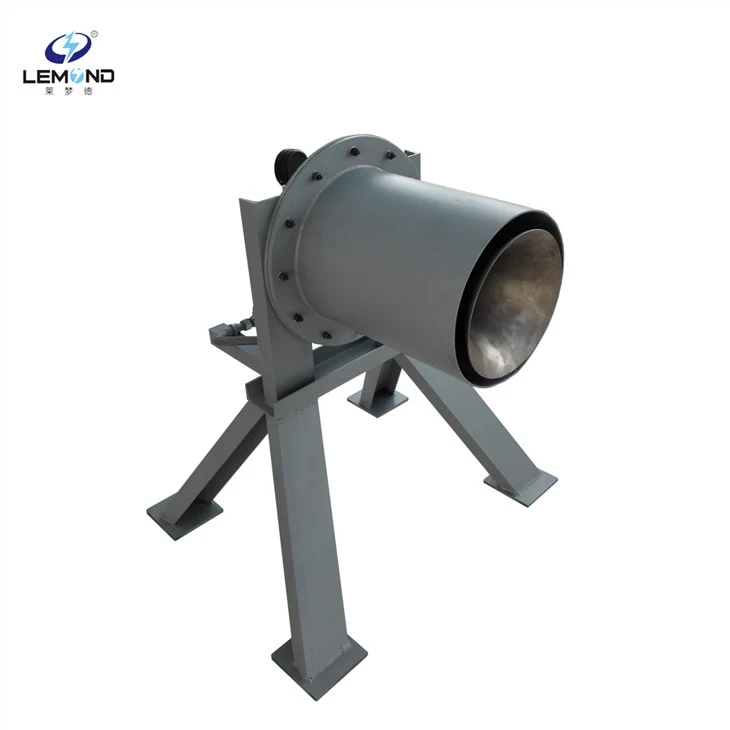
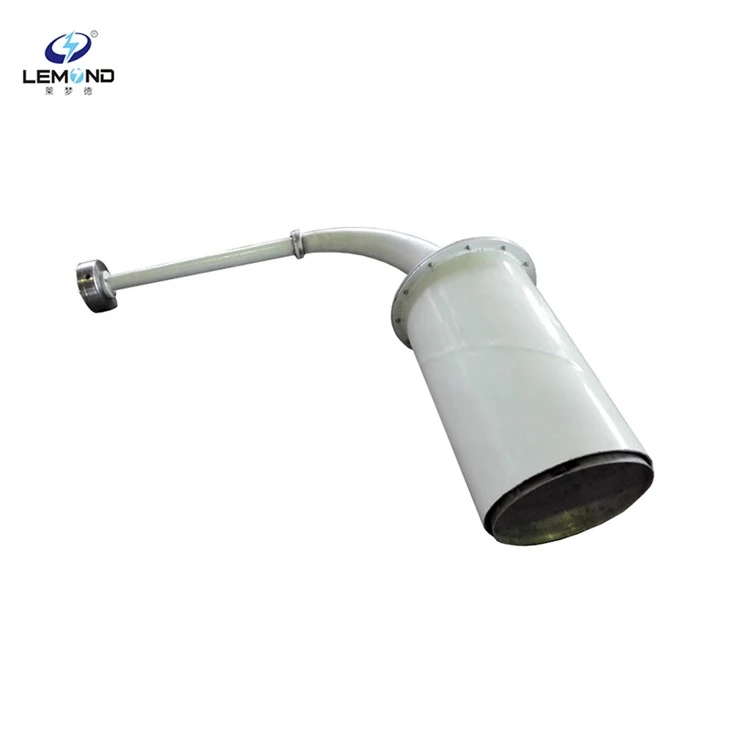
Sonic Soot Blower in Boiler systems are also known for their ease of installation. The Convenient Installation Soot Blower option allows for quick and hassle - free setup in high - temperature boiler environments. This reduces the installation time and associated costs, minimizing the disruption to the boiler operation.
Applications in High - Temperature Boilers
Sonic soot blowers can be effectively used in various types of high - temperature boilers. For example, in power plant boilers, where the flue gas temperature can reach several hundred degrees Celsius, sonic soot blowers can help maintain the efficiency of the heat exchangers. In waste - to - energy boilers, which often operate at high temperatures due to the combustion of waste materials, sonic soot blowers can prevent the buildup of soot on the heat transfer surfaces, ensuring continuous and reliable operation.
In SCR (Selective Catalytic Reduction) systems, which are used to reduce nitrogen oxide emissions from boilers, the SCR Sonic Soot Blower is specifically designed to operate in high - temperature conditions. These blowers help keep the catalyst surfaces clean, ensuring the proper functioning of the SCR system and maximizing the reduction of nitrogen oxides.
Conclusion and Call to Action
In conclusion, sonic soot blowers can be used in boilers with high - temperature flue gases, but careful consideration of the material selection, design, and installation is necessary. With the right approach, sonic soot blowers offer an effective and efficient solution for soot removal in high - temperature boiler environments.
If you are looking for a reliable and high - performance sonic soot blower for your high - temperature boiler, we are here to help. As a leading provider of Sonic Soot Blower in Boiler solutions, we have extensive experience in designing and manufacturing sonic soot blowers that can withstand the challenges of high - temperature flue gases. Contact us to discuss your specific requirements and explore how our products can improve the efficiency and performance of your boiler.
References
- ASME Boiler and Pressure Vessel Code. "Section I: Rules for Construction of Power Boilers."
- Kaynar, A. H., & Oktay, O. (2012). "The Effect of Acoustic Soot Blowers on Boiler Efficiency." Applied Thermal Engineering.
- Perry, R. H., & Green, D. W. (2008). Perry's Chemical Engineers' Handbook. McGraw - Hill.