

Shock wave soot blowers use acetylene (coal gas, natural gas, liquefied petroleum gas) and other common combustible gases and air. After passing through their respective flow measurement and control systems, they are uniformly mixed in proportion and then sent to the combustion chamber for combustion.
Different from the conventional combustion process and combustion method, gas pulse combustion uses unstable combustion gas under high turbulence conditions to generate compression waves to form kinetic energy, sound energy, and heat energy.
The combustion speed is fast, the gas pressure generated by the combustion is limited within a certain range, and the shock wave emitted at the nozzle of the output pipe can adapt to the ash accumulation situation.
Through the action of the shock wave, the ash on the heating surface falls off, and the dust particles, loose matter, adhesives, and deposits on the polluted heating surface are removed, so as to reduce the exhaust gas temperature at the tail of the boiler and improve the thermal efficiency of the boiler.
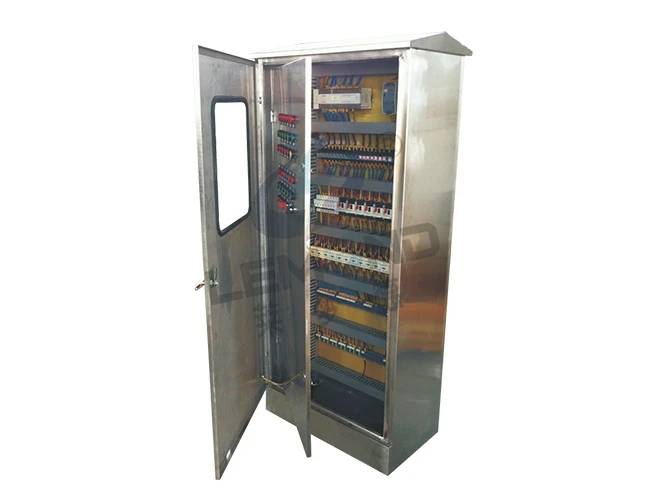
Shock wave sootblower features:
1. Good ash removal effect
It can remove dust and coke on the heating surface in a large space, greatly improve the heat exchange efficiency and reduce the exhaust gas temperature. The operation is reliable and the effect is remarkable.
2. The configuration is reliable
The ratio of the two working fluids is controlled at an excellent value to ensure that it operates in good condition. The high-energy igniter, with stable performance and long service life, is selected, ensuring reliable ignition.
3. High automation reliability
The sensors in the control system are equipped with interlocking maintenance actions for corresponding faults, various faults are handled in stages, and branch faults do not affect the operation of the entire system. Using the precision sensor produced by the manufacturer, it can achieve regular self-inspection, online multi-level maintenance, interlock maintenance, fault detection, fault alarm, fault diagnosis, and fault handling under program control, thus ensuring the reliable operation of the system.
4. Wide range of use
It can be applied to any furnace type, including various pulverized coal boilers, circulating fluidized bed boilers, oil-fired boilers, waste heat furnaces, heating furnaces, process furnaces, and waste incinerators. It can be applied to any part of the boiler tail, including the superheater, reheater, economizer, air preheater, etc.
5. High economic benefit
Less investment in equipment, high production efficiency, reduced labor intensity (removal of slag), and low operating costs.


