

The boiler soot blower is one of the important equipment of the boiler. Its function is to clean the dust accumulated in the boiler during the operation of the boiler. However, during use, the sootblower may also malfunction, affecting the normal operation of the boiler. So, how to determine the type and cause of boiler soot blower failure? This article will give a brief introduction based on actual cases.
First, we need to understand the basic structure and working principle of a soot blower. Soot blowers usually consist of air source, control device, blow pipe, angle impactor, etc. The dust in the boiler is carried to the rear of the boiler along with the flue gas, and is sent outside the boiler through the blow pipe of the soot blower to ensure ventilation and thermal efficiency in the boiler. If the soot blower fails, possible reasons include air source problems, control device problems, blow pipe problems, etc.
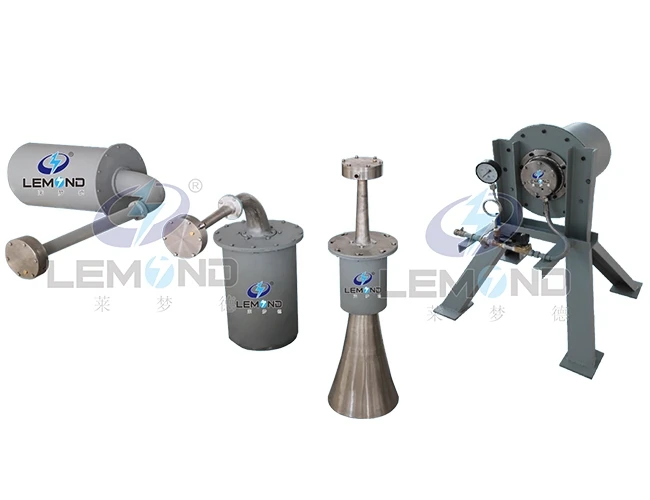
The following takes a 35-ton coal-fired boiler as an example to introduce the judgment method and cause analysis of soot blower failure.
1. Description of phenomenon
The main soot blower of this boiler is a large electromagnetic pulse soot blower, and the equipment driver works periodically. The fault phenomenon is that the main soot blower cannot start working.
2. Failure analysis
2.1 Air source problem
First, check the air source problem. When the boiler is started or the load is switched, facilities such as the exhaust gas suction pipe, high and low water level proportional controllers, air compressors and air cushion tanks should be operated in order to ensure the normal startup and stable operation of the soot blower. If any of these devices fails, it may affect the normal operation of the sootblower. In addition, if there is water accumulation or blockage in the exhaust gas suction pipe or soot cleaning pipe, it will also affect the normal operation of the soot blower.
2.2 Device control issues
Secondly, check for control device problems. The control device of the total soot blower is mainly composed of electrical components, touch screen, PLC, etc., among which there are many fault points. For example, loose, burned, or broken cable joints may cause control signal transmission failure, thus affecting the start, stop, and control of the soot blower. In addition, due to the high working frequency and large impact force of the soot blower, it is easy to cause the equipment to loosen, which may also be one of the reasons for the failure of the control device.
2.3 Blowpipe problem
Again, check for blowpipe issues. The blow pipe is a key component of the soot blower. Its function is to send the dust in the boiler to the outside of the boiler. Therefore, the smooth flow of the blow pipe is an important guarantee for the normal operation of the soot blower. If there is water accumulation or blockage inside the blow pipe, it may lead to the failure of the soot blower. In addition, during the sootblowing process, the blowpipe is subject to greater impact and wear, and is prone to cracking, deformation, etc. These problems will seriously affect the working efficiency of the soot blower.
3. Troubleshooting
The handling of soot blower failures requires judgment and processing based on specific circumstances. Common treatment methods include:
3.1 Air source problem
If it is an air source problem, it can be dealt with by adjusting the exhaust gas pipeline and checking the operation of each facility. If the pipe is blocked, it can be solved by cleaning the pipe or replacing the pipe.
3.2 Device control issues
If it is a control device problem, electrical components, wiring, PLC, etc. need to be inspected and repaired. If the controls are loose, the equipment will need to be fixed or parts replaced.
3.3 Blowpipe problem
If it is a blowpipe problem, it can be solved by cleaning the blowpipe, replacing the blowpipe, or repairing the blowpipe. If the blowpipe has cracks or deformation, it needs to be replaced in time.
In short, judging and handling soot blower failure requires analysis and judgment based on specific circumstances. At the same time, during daily operation and maintenance, soot blowers must be inspected regularly, and faults must be discovered and dealt with in a timely manner. In this way, the normal operation of the boiler can be ensured and the efficiency and service life of the boiler can be improved.


