


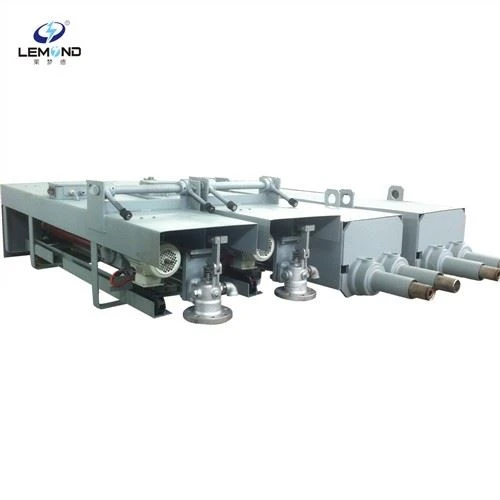
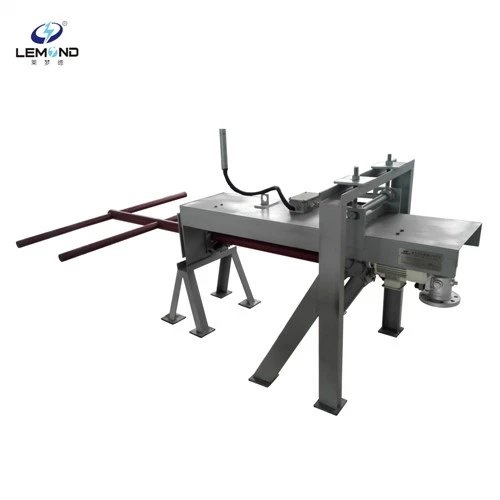
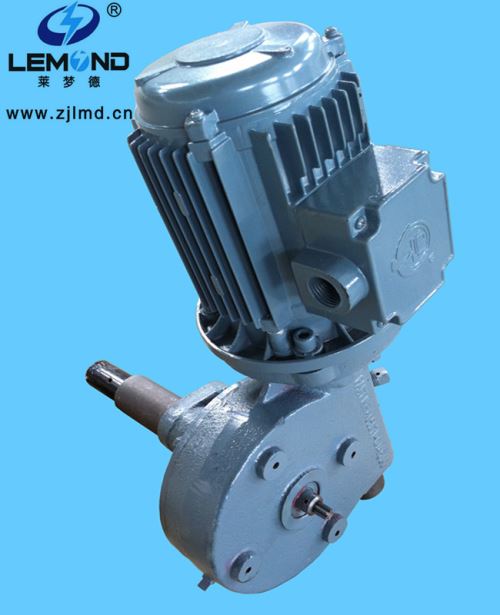
Air preheater soot blowers are essential components in power plants, boilers, and various industrial heating systems. They play a pivotal role in maintaining the efficiency of air preheaters by removing soot, ash, and other deposits that accumulate on the heat - exchange surfaces over time. As a leading air preheater soot blower supplier, we offer a diverse range of models, each designed to meet specific operational requirements. In this blog, we'll delve into the differences between different models of air preheater soot blowers to help you make an informed decision for your application.
1. Biomass Plant Soot Blower
The Biomass Plant Soot Blower is specifically tailored for biomass - fired power plants. Biomass fuels, such as wood chips, agricultural residues, and dedicated energy crops, produce unique types of ash and deposits compared to traditional fossil fuels. These deposits can be sticky and difficult to remove, often containing high levels of alkaline compounds.
The key features of biomass plant soot blowers include:
- Specialized Nozzles: They are equipped with nozzles designed to generate high - velocity jets of steam or air. These nozzles are engineered to penetrate the sticky biomass ash deposits effectively.
- Adjustable Operation: Since biomass fuel properties can vary significantly, these soot blowers often have adjustable blowing parameters. This allows operators to fine - tune the soot - blowing process according to the characteristics of the specific biomass fuel being used.
- Corrosion Resistance: Biomass ash can be corrosive, so the materials used in the construction of biomass plant soot blowers are selected for their corrosion - resistant properties. This ensures a longer service life and reduces maintenance costs.
2. Single Medium Air Preheater Soot Blower
The Single Medium Air Preheater Soot Blower operates using a single type of medium, typically either steam or compressed air.
Steam - based Single Medium Blowers:
- Steam offers high heat energy and excellent cleaning power. It can effectively remove stubborn deposits by melting and vaporizing them. Steam - based blowers are often preferred in applications where the deposits are hard - to - remove and where the additional heat does not cause any negative impacts on the system.
- However, steam requires a reliable steam source, and improper use can lead to water hammer and corrosion issues if not properly managed.
Air - based Single Medium Blowers:
- Compressed air is a more convenient and cost - effective medium in some cases. It is readily available and can be easily controlled. Air - based blowers are suitable for lighter deposits and applications where minimizing moisture is crucial.
- But the cleaning power of air is generally lower than that of steam, so it may not be as effective for heavy or hardened deposits.
3. Double Medium Air Preheater Soot Blower
The Double Medium Air Preheater Soot Blower combines the advantages of two different media, usually steam and compressed air. This dual - medium approach provides greater flexibility in soot cleaning.
- Initial Cleaning with Air: The air can be used for initial, light cleaning operations. It is efficient in removing loose and superficial deposits. Compressed air also helps to pre - cool the heat - exchange surfaces, reducing the risk of thermal shock when steam is later introduced.
- Penetrating with Steam: For more stubborn and deeply - embedded deposits, steam is employed. The high - energy steam can penetrate and break up the hardened layers, providing a more thorough cleaning.
- On - the - fly Switching: These blowers are designed to allow seamless switching between the two media during the soot - blowing process. This enables operators to adapt to different deposit conditions in real - time.
4. Air Heater Hot Side Soot Blower
The Air Heater Hot Side Soot Blower is specifically designed for the hot side of the air heater. The hot side of an air preheater is exposed to high - temperature flue gases, which can cause deposits to become more sintered and difficult to remove.
- High - Temperature Resistance: These blowers are constructed using materials that can withstand high temperatures. Special alloys and heat - resistant coatings are used to ensure the blower can operate effectively in the harsh hot - side environment.
- Enhanced Blowing Force: Since the deposits on the hot side are typically harder, the air heater hot side soot blowers are designed to generate a higher blowing force. This ensures that the sintered deposits can be dislodged and removed.
5. Double Medium Soot Blower For Air Heater
The Double Medium Soot Blower For Air Heater is another type that combines two media for optimal cleaning performance in air heaters. Similar to the double - medium air preheater soot blower, it can utilize both steam and compressed air.


- Optimized for Air Heaters: This type of blower is specifically engineered to meet the unique requirements of air heaters. It takes into account the specific geometry and airflow patterns within the air heater to ensure uniform cleaning across all heat - exchange surfaces.
- Dual Functionality for Different Conditions: In normal operating conditions, air can be used for regular maintenance cleaning. When there are heavy deposits or during startup/shutdown procedures, steam can be switched on to provide a more powerful cleaning action.
Comparison of Key Features
To better understand the differences between these models, let's compare some key features in a tabular form:
| Model | Medium | Application Suitability | Deposit Types | Temperature Resistance |
|---|---|---|---|---|
| Biomass Plant Soot Blower | Steam or Air | Biomass - fired power plants | Sticky biomass ash | Normal to High (depending on design) |
| Single Medium Air Preheater Soot Blower | Steam or Air | General industrial boilers and heaters | Light to medium deposits | Normal |
| Double Medium Air Preheater Soot Blower | Steam and Air | Various industrial heating systems | Light to heavy deposits | Normal |
| Air Heater Hot Side Soot Blower | Steam or Air | Hot side of air heaters | Hard, sintered deposits | High |
| Double Medium Soot Blower For Air Heater | Steam and Air | Air heaters | Light to heavy deposits | Normal to High |
Making the Right Choice
When selecting an air preheater soot blower, several factors need to be considered:
- Nature of Deposits: If the deposits are sticky, like in biomass plants, the biomass plant soot blower might be the best choice. For hard, sintered deposits, air heater hot side soot blowers or double - medium blowers with steam option are more suitable.
- Available Medium: The availability of steam or compressed air at your facility is a crucial factor. If steam is readily available and the application allows for it, steam - based blowers can provide superior cleaning.
- Operating Conditions: The temperature and pressure conditions of your air preheater play a role. High - temperature applications require blowers with high - temperature resistance.
As a leading air preheater soot blower supplier, we understand the importance of choosing the right model for your specific needs. Our team of experts can provide comprehensive guidance and support to help you select the most suitable air preheater soot blower for your application.
If you are interested in learning more about our products or have any questions regarding the selection of air preheater soot blowers, we encourage you to reach out to us for a detailed discussion. We are committed to providing high - quality products and services to ensure the efficient operation of your industrial heating systems.
References
- Smith, J. (2019). "Optimization of Air Preheater Soot Blowing in Power Plants". Journal of Industrial Heating Systems.
- Johnson, A. (2020). "The Role of Medium Selection in Air Preheater Soot Blowers". International Journal of Energy Efficiency.
- Williams, B. (2018). "Design Considerations for Soot Blowers in Biomass Plants". Biomass Energy Review.